
Foliage trains run on a tight calendar across the Alps, and missing the window by two weeks can mean grey slopes instead of gold. Switzerland's Rhaetian Railway, Austria's ÖBB and the cross-border Vigezzina-Centovalli line all build autumn into their schedules, some with dedicated seasonal tickets. This guide picks the routes where the colour display is documented, the service is confirmed, and the journey fits into a single day from a major European hub.
What made the list
Each route below runs on named, operational infrastructure, not a one-off charter. A selection only counts if it has a confirmed autumn timetable, a specific stretch of track known for colour, and a way to book it through the operator's own site. Routes without a verifiable autumn service, however scenic in summer, were left out.
### Bernina Express: Chur to Tirano on the UNESCO Bernina line
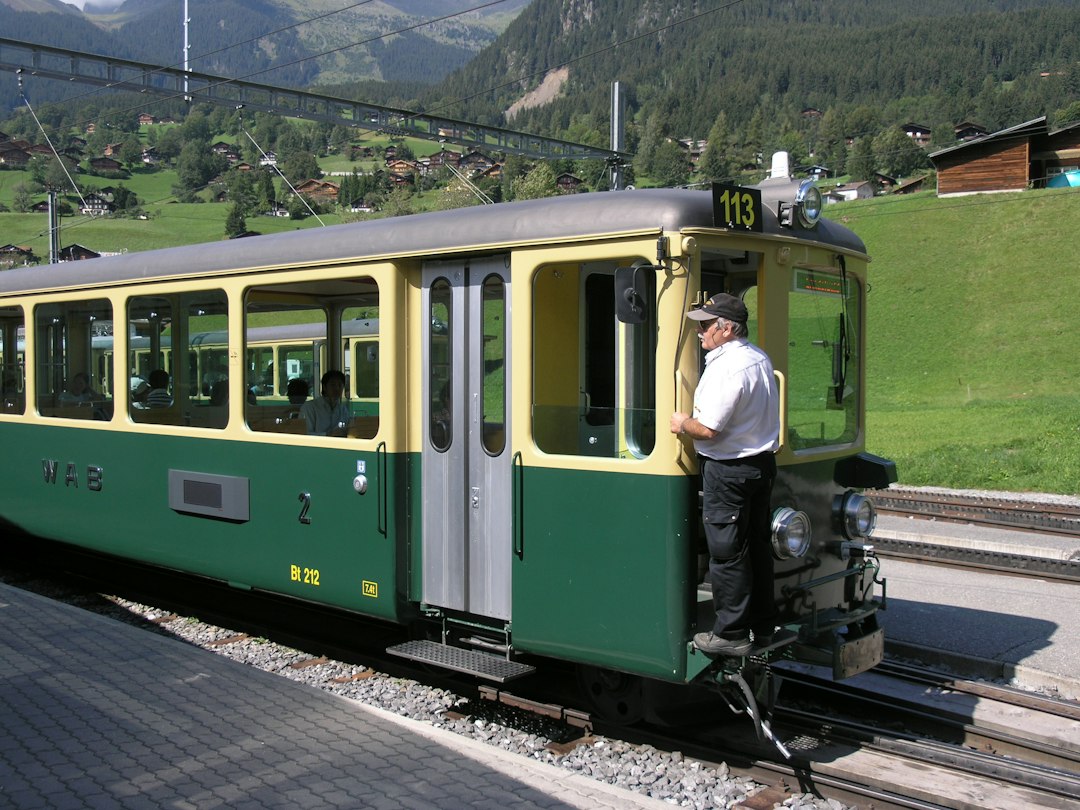
The Rhaetian Railway runs the Bernina Express along the UNESCO Bernina line, with departures Tirano and St. Moritz, Chur and Tirano, plus the Tirano to Lugano bus. In summer timetable, running from 2 May to 25 October 2026, two daily Bernina Expresses run between Chur and Tirano. During fall, from October to November, autumn colours appear in the deciduous trees of the Albula valley and the conifers of the Engadine. The line climbs from Tirano at low altitude to 2,253 metres at Ospizio Bernina, and the peak of the autumn colours generally occurs between the second and third weeks of October.
### Vigezzina-Centovalli: the dedicated Foliage Train between Locarno and Domodossola
This narrow-gauge line is jointly run by Ferrovie Autolinee Regionali Ticinesi (FART) in Switzerland and Società Subalpina di Imprese Ferroviarie (SSIF) in Italy over a 52 km route between Domodossola and Locarno. The operator sells a specific autumn fare, and the Foliage Train ticket is valid for two days and includes the outward and return journey, with the option of an intermediate stop. A recent seasonal run was scheduled to operate from 12 October to 17 November, so the window stretches well past the Alpine peak on higher routes.
### Semmering railway: Austria's first mountain line, built in 1854
Gloggnitz to Mürzzuschlag is a 41-kilometre line that was the first mountain railway in the world in 1854, designed by Carl Ritter von Ghega, and run today by ÖBB (Austrian Federal Railways) as part of the main Southern Railway connecting Vienna and Graz. The route crosses over 16 viaducts and through 15 tunnels. One constraint worth knowing: once a new 27.3km twin-tube tunnel opens, many long-distance trains will divert underground, so regular regional services will remain the way to see the viaducts from the train itself.
### Glacier Express: Zermatt to St. Moritz through two cantons
This is the slower, better-known cousin of the Bernina Express, jointly operated by Matterhorn Gotthard Bahn and the Rhaetian Railway. The route crosses the Oberalp Pass and the Landwasser Viaduct, and it shares track with the Albula line that forms part of the same Rhaetian Railway UNESCO corridor as the Bernina line further south. The journey runs the length of Graubünden and Valais in a single sitting, with reserved panoramic seating in red carriages.
### Golden Pass Line: Montreux to Lucerne above the Lavaux terraces
The Golden Pass network, built around operator MOB (Montreux Oberland Bernois), starts above Lake Geneva at Montreux. The first stretch climbs through the Lavaux vineyard terraces, a UNESCO World Heritage site since 2007, where vine leaves turn deep red and amber before harvest ends. Further along, the route crosses the Bernese Oberland toward Interlaken and on to Lucerne, swapping lake views for conifer-covered slopes as it gains altitude.
### Zillertalbahn: a Tyrolean valley line between Jenbach and Mayrhofen
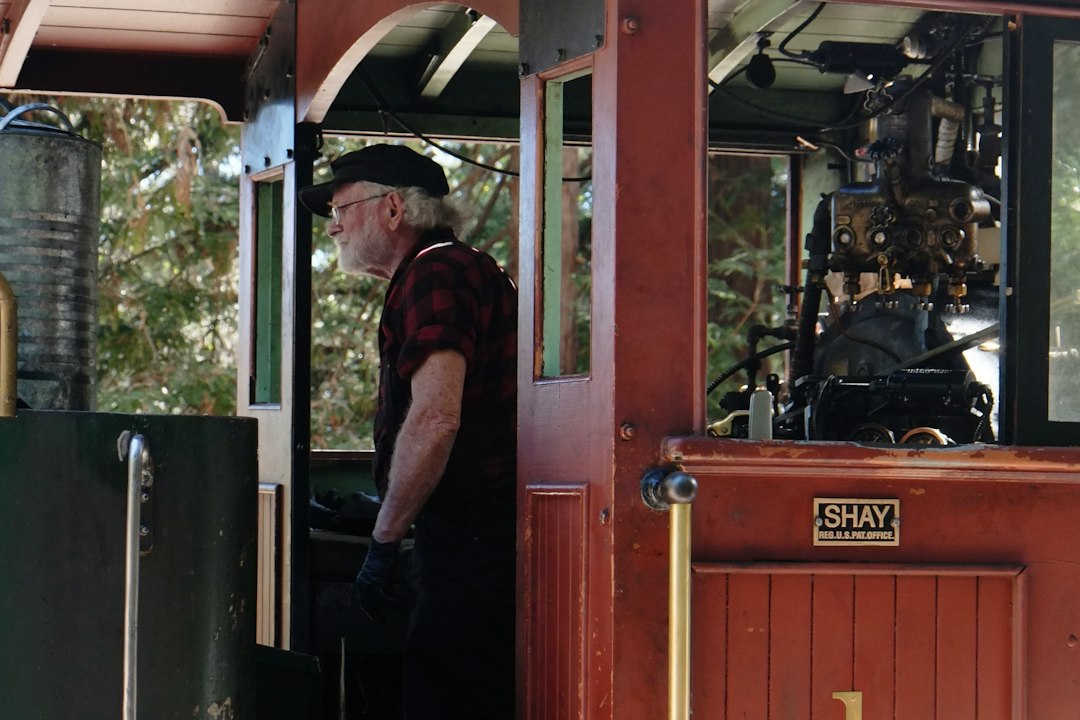
The Zillertalbahn is a narrow-gauge heritage line connecting Jenbach, on the main Innsbruck to Salzburg corridor, with Mayrhofen at the head of the Zillertal valley. Steam-hauled services run on selected days alongside the regular diesel timetable. The valley floor is framed by larch forests that turn gold through October, visible from the train without needing a hiking detour.
How to choose between them
Start with how much time you have. The Semmering railway fits into a half-day from Vienna, while the Bernina Express or Golden Pass Line need a full day if you want to ride the whole route rather than a segment. Check whether the operator sells a dedicated autumn fare, as with the Centovalli Foliage Train, since these tickets often include stopover rights that standard fares do not.
Reservation rules differ sharply between lines. Panoramic trains such as the Bernina Express and Glacier Express charge a mandatory supplement on top of any rail pass, while regional services on the Semmering or Zillertalbahn usually need no reservation at all. If colour timing matters most, aim for the second or third week of October on the higher Swiss and Austrian routes, and allow into November for the lower Centovalli line.