


Fragrance allergens are about to get far more visible on perfume bottles sold anywhere in the EU, from a pharmacy in Lisbon to a parfumerie in Paris. Commission Regulation (EU) 2023/1545 forces brands to list dozens of scent ingredients that used to hide under the single word "parfum". The change touches jasmine linked to Grasse, bergamot grown in Calabria and sandalwood used in classic Eaux de Parfum across the continent. Here is what the new label actually means, and when it reaches shelves.
What changed under regulation 2023/1545
The EU adopted Regulation (EU) 2023/1545 to update labelling of fragrance allergens under Annex III to Regulation (EC) 1223/2009 on cosmetic products, and it came into force on 16 August 2023. The rule does not ban these ingredients outright. It simply forces brands to name more of them on the packaging, wherever that packaging reaches an EU shelf.
The scale of the change is large. Commission Regulation (EU) 2023/1545 roughly trebles the number of fragrance allergens that must be named on a cosmetic label in the European Union. It amends Annex III of the EU Cosmetics Regulation (EC) 1223/2009 and expands the number of allergens that must be individually listed on labels from the historic "26" to more than 80 substances and groups.
Before this update, brands had to list 26 specific allergens on the label whenever they passed 0.001 percent in leave-on products or 0.01 percent in rinse-off products. Those thresholds have not moved. The concentration thresholds for when allergens must appear on the label remain the same as before: leave-on products at 0.001 percent and rinse-off products at 0.01 percent.
The Commission explains why this matters beyond simple curiosity. As a measure of secondary prevention, it is important to provide information on the presence of individual fragrance allergens in cosmetic products so that sensitised persons can avoid contact with the substance to which they are allergic. Nobody has to switch perfumes tomorrow. A long transition period of three or five years is given to the industry to adapt to the new requirements of Regulation (EU) 2023/1545. The first compliance deadline is 31 July 2026, with full compliance required by 31 July 2028.
Reading the new fragrance allergens on your bottle
The word "parfum" on a label has always hidden a mix of proprietary ingredients. That is not changing. Perfume and aromatic compositions and their raw material are still referred to by the terms "parfum" or "aroma" in the list of ingredients, complemented by substances the mention of which is required under the column "Other" in Annex III. What changes is how many of those substances now get named individually.
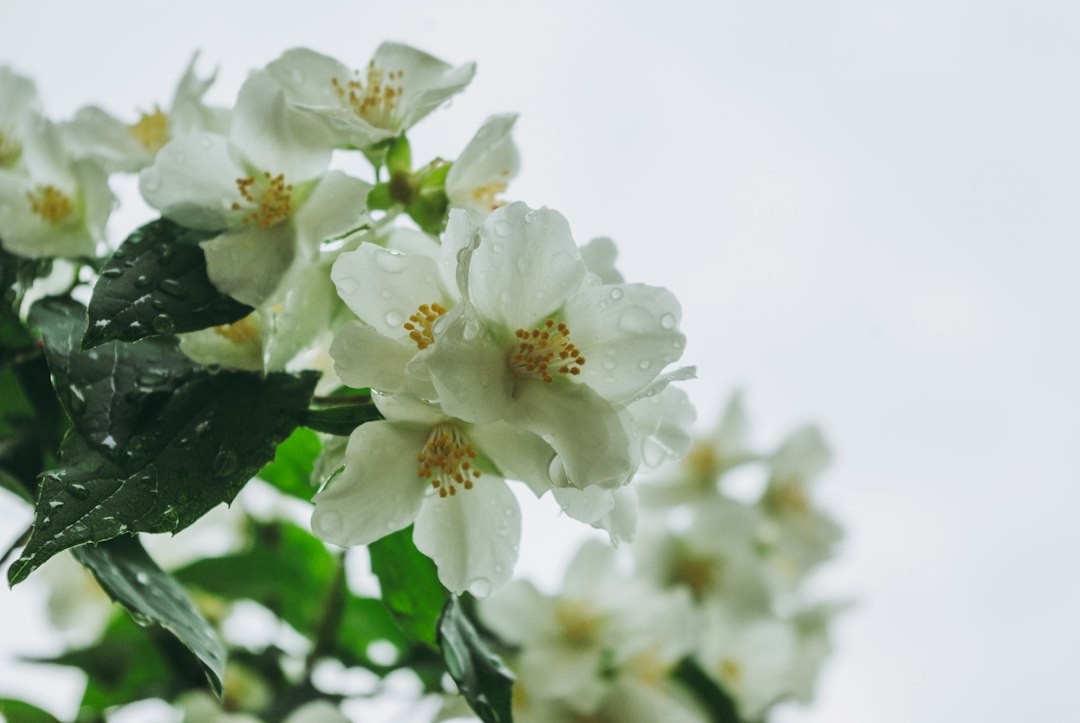
Some new entries are everyday botanicals rather than lab chemicals. The expanded list names Jasmine Oil/Extract, Lavandula Oil/Extract, Rose Flower Oil/Extract, Santalum Album Oil and Citrus Aurantium Bergamia Peel Oil among dozens of other additions. A bottle of Eau de Parfum built around sandalwood or bergamot will now show it plainly, rather than folding it into a single generic word.
Two older entries carry a stricter note this time. Hydroxyisohexyl 3-cyclohexene carboxaldehyde, known as HICC or Lyral, and Butylphenyl methylpropional, known as Lilial, are both marked as synthetic and now banned rather than simply declarable. Oakmoss keeps its older entry but under closer watch. Evernia Prunastri Extract, known as oakmoss, remains labelled, with its atranol and chloroatranol content restricted.

Which perfumes and ingredients are affected
This is not only an issue for fine fragrance counters in Paris or Milan. The rule applies to all cosmetic products in the EU/EEA, including imported goods and online sales aimed at EU consumers. Any cosmetic product covered by Regulation (EC) 1223/2009 that contains fragrance or perfuming compounds can be affected, including fine fragrances such as Eau de Parfum, Eau de Toilette and body mists. Scented shower gels, lotions and even some household cleaners sold across the bloc fall under the same label rules.
Language adds another layer for shoppers in certain countries. A full translation of all label elements is requested by Austria, Bulgaria, France, Poland, Portugal and Slovakia. That means consumers in those six countries will see the full, longer allergen list rendered in their own language rather than in Latin-script INCI terms alone, which should make patch-testing and pharmacy conversations easier once the new format rolls out.
What to check now and what can wait
If you already know you react to a specific allergen, oakmoss, limonene or linalool are common culprits, start reading labels now rather than waiting for 2028. Many brands are updating ingredient lists on their own websites ahead of the deadline, and a pharmacist in any EU country can usually print the full declared list for a product on request. This is especially worth doing before buying a new signature scent rather than after a reaction appears.
What can wait is any urgent clear-out of your existing collection. Older stock formulated and labelled under the previous rules can still be sold legally during the transition window running to 2028, so a bottle bought last year in Rome or Vienna has not suddenly become non-compliant. The sensible order is simple: check new purchases first, keep an eye on your usual brands' websites over the next two years, and treat your current perfume shelf as safe until proven otherwise.