

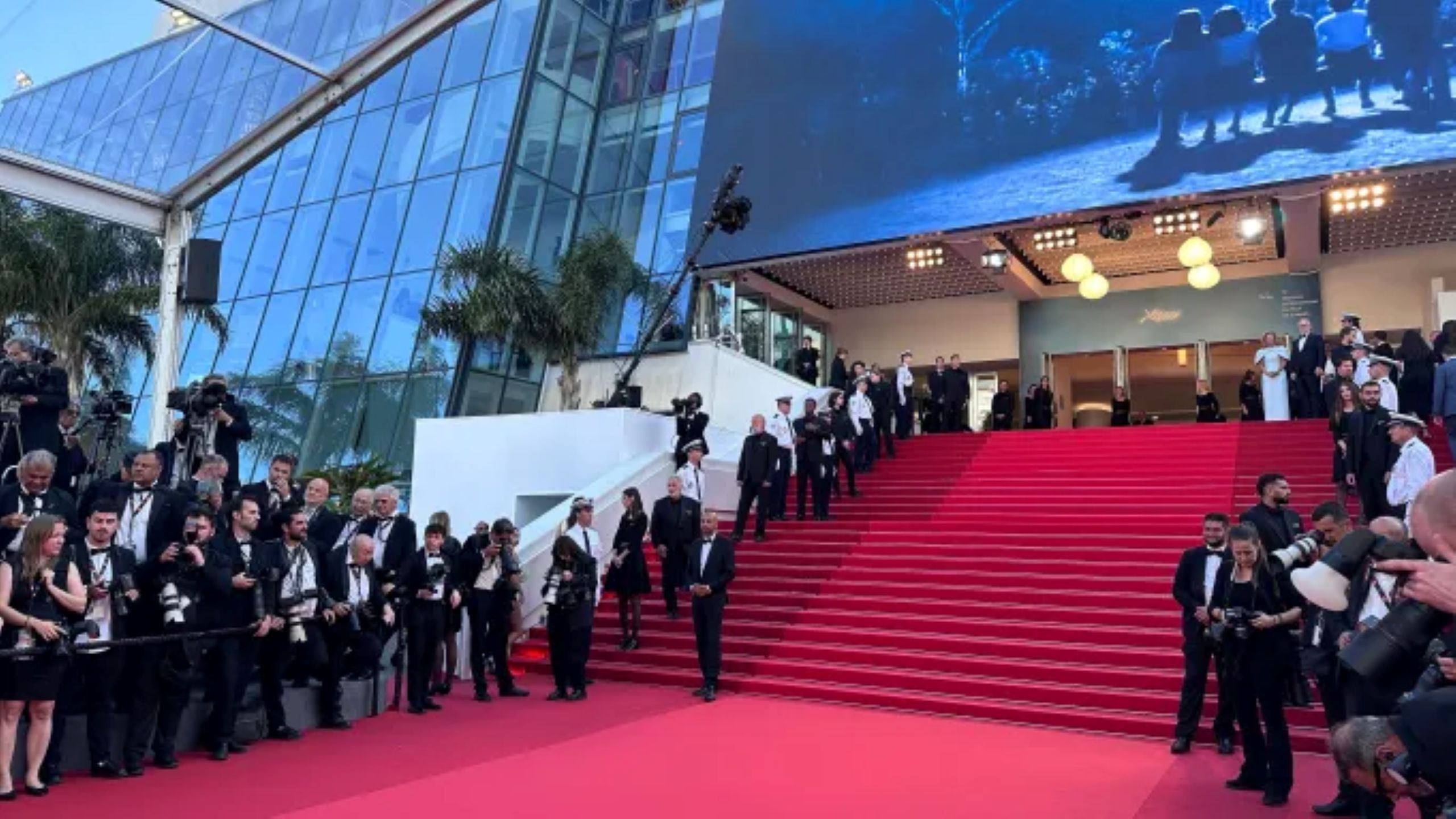
Every May, the film investment world converges on the French Riviera. Cannes 2026 is not only a celebration of cinema. It is one of the most important business events in the European audiovisual industry. The Marché du Film, running from 12 to 20 May 2026, connects producers, distributors, financiers, and streaming platforms from across the globe. For European filmmakers, the stakes have never been higher. Private capital is entering the sector at a faster rate. EU funding mechanisms are evolving. And film investment decisions that were once made after a festival are now being made before it.
Why Cannes Is the Centre of European Film Finance
The Marché du Film is the largest film market in the world. More than 12,000 industry professionals attend each year. For European producers, it is the primary venue for securing distribution deals, co-production agreements, and private equity commitments.
Cannes 2026 arrives at a significant moment for European cinema. Streaming platforms have reduced pre-sales in many territories. Traditional broadcasters are investing less in independent film. As a result, producers must arrive at the Marché with stronger packages and more financing already in place.
Film investment has become a pre-market activity. Projects that reach Cannes without confirmed funding are at a significant disadvantage. The most competitive packages combine public subsidies, co-production frameworks, and private capital from the earliest stages of development.
What Is the Cannes Investors Circle?
The Cannes Investors Circle is one of the most closely watched events at the Marché du Film. Now in its 4th edition, the 2026 programme takes place on 16 and 17 May at the Plage des Palmes. It presents 8 new feature film projects from internationally recognised directors to a selected group of private investors.
The event is structured across 2 days. The first day features public panels focused on film financing models and the growing role of brands in cinema investment. The second day is a private, invitation-only session. Selected directors pitch their projects directly to investors in curated one-on-one meetings.
Project budgets in the 2026 selection range from 1 million euros to more than 12 million euros. This wide range reflects a deliberate effort to connect investors with projects at different stages of development. Furthermore, the Investors Circle is expanding its activities beyond Cannes through year-round workshops and industry events across Europe.

A Producer’s Perspective on Film Investment in 2026
Miriam Sokolova, Head of Development, Nordvik Pictures, Copenhagen
Three years ago, we relied almost entirely on public subsidy and broadcaster pre-sales. That model has changed significantly. Streamers are more selective. Broadcaster budgets are tighter. We needed to find new sources of capital.
We began engaging private investors 18 months before our last feature entered production. We used the Investors Circle at Cannes to make initial introductions. We also applied for Creative Europe MEDIA co-development funding to validate the project for private gap lenders.
The result was a financing structure that combined 4 sources of capital. The film sold to 14 territories before the end of principal photography. Film investment done early and done strategically produces measurably better commercial outcomes.

How Does EU Funding Support European Film Production?
The Creative Europe MEDIA programme is the primary EU funding instrument for European cinema. In 2026, the programme marks its 35th anniversary. It continues to support development, distribution, and international circulation of European audiovisual works.
Additionally, the EU launched MediaInvest, a 200 million euro equity investment fund managed by the European Investment Fund. MediaInvest does not replace subsidy funding. Instead, it attracts private and institutional investors into the European audiovisual sector alongside public money.
New partnerships signed between 2024 and 2025 include investments with funds based in France and Finland. MediaInvest aims to attract a further 400 million euros in private capital over a 7-year period. For producers, this represents a significant expansion of available film investment beyond traditional grant funding.
What Financing Trends Are Shaping Cannes 2026?
Film investment at Cannes 2026 is moving upstream. Buyers are committing later, while sellers are arriving with more risk already removed. Projects with confirmed financing, cast, and distribution commitments attract stronger interest from international buyers.
The most competitive packages at the 2026 Marché combine 3 elements: creative credibility, a clear commercial proposition, and a structured financing plan. Projects that rely on prestige alone are finding it more difficult to close deals. Consequently, producers are spending more time on financing architecture before they arrive in Cannes.
Co-production remains a vital tool for European producers. Cross-border partnerships allow projects to access multiple national subsidy systems simultaneously. Moreover, co-productions often qualify for higher levels of Creative Europe MEDIA support, making them more attractive to private investors.
What Steps Should European Producers Take Before Cannes?
Preparation is the most important factor in securing film investment at any major market. The following steps give European producers the strongest possible position before arriving on the Croisette.
Step 1: Confirm at least 40% of financing before approaching Creative Europe MEDIA for additional support. Step 2: Register your production company on the EU Funding and Tenders Portal to access all available funding calls. Step 3: Build a co-production structure with partners from at least 2 European countries to maximise subsidy access. Step 4: Apply to the Investors Circle at the Marché du Film to access curated introductions with private investors. Step 5: Prepare a clear financing plan that combines public subsidy, equity investment, and pre-sales commitments. Step 6: Engage sales agents early. Sales agents now operate as financing coordinators, not only as distribution managers.
Conclusion: Strong Packages Win at Cannes 2026
Film investment in European cinema is becoming more strategic, more structured, and more competitive. Cannes 2026 reflects this shift clearly. Producers who arrive with strong packages, confirmed co-production partners, and a clear capital plan will attract the most attention. The tools are available, from Creative Europe MEDIA to MediaInvest to the Investors Circle. The opportunity is real. The question is whether your project is ready to meet it.