


Europe’s e-commerce trends 2026 reveal transformative shifts toward AI-powered shopping and seamless customer experiences. Furthermore, e-commerce trends include sales reaching €565 billion by 2029 with 7.8% CAGR across Europe-5 markets. Moreover, e-commerce trends feature AI personalization, social commerce, instant payments, and Digital Product Passports launching November 2026. Therefore, understanding e-commerce trends helps business owners capitalizing on emerging opportunities. Additionally, e-commerce trends encompass mobile commerce reaching 60%+ transactions and agentic AI shopping. Indeed, European e-commerce trends combining technology innovation with regulatory frameworks create competitive advantages. Consequently, this guide explores essential e-commerce trends for business-minded Europeans.
Why European E-Commerce Trends Matter for Business Success
European e-commerce trends reveal unprecedented growth requiring strategic adaptation from businesses. First, online sales will reach 21% of total retail by 2029 from 16% in 2024. Additionally, e-commerce trends show cross-border sales hit €275.6 billion in 2024 representing 36% of European markets.
These e-commerce trends reflect fundamental consumer behavior shifts accelerating post-pandemic. Moreover, 77% of EU internet users aged 16-74 made online purchases in 2024. For instance, e-commerce trends demonstrate UK leading with 32% online retail penetration by 2029. Meanwhile, Germany reaches 21% and France 17% during same period.
Consequently, e-commerce trends create urgency for businesses embracing digital transformation. Thus, companies ignoring these shifts risk losing market share to digitally-native competitors.
AI-Powered Personalization Dominating E-Commerce Trends
Artificial intelligence represents the most significant e-commerce trend transforming shopping experiences. First, 49% of Americans report AI recommendations already influence purchasing decisions. Additionally, e-commerce trends show 64% willing to purchase items recommended by generative AI.
Moreover, AI-driven e-commerce trends include personalized product recommendations, dynamic pricing, predictive analytics, and conversational checkouts. Furthermore, e-commerce trends reveal AI agents acting autonomously comparing products and completing purchases for consumers. For example, e-commerce trends demonstrate retailers using AI for demand forecasting reducing overstocking 30-40%.
Meanwhile, agentic commerce represents next frontier where AI shopping assistants browse independently on consumers’ behalf. Consequently, AI-powered e-commerce trends require businesses investing in quality product data and structured information. Thus, clean data becomes competitive advantage enabling AI functionality.
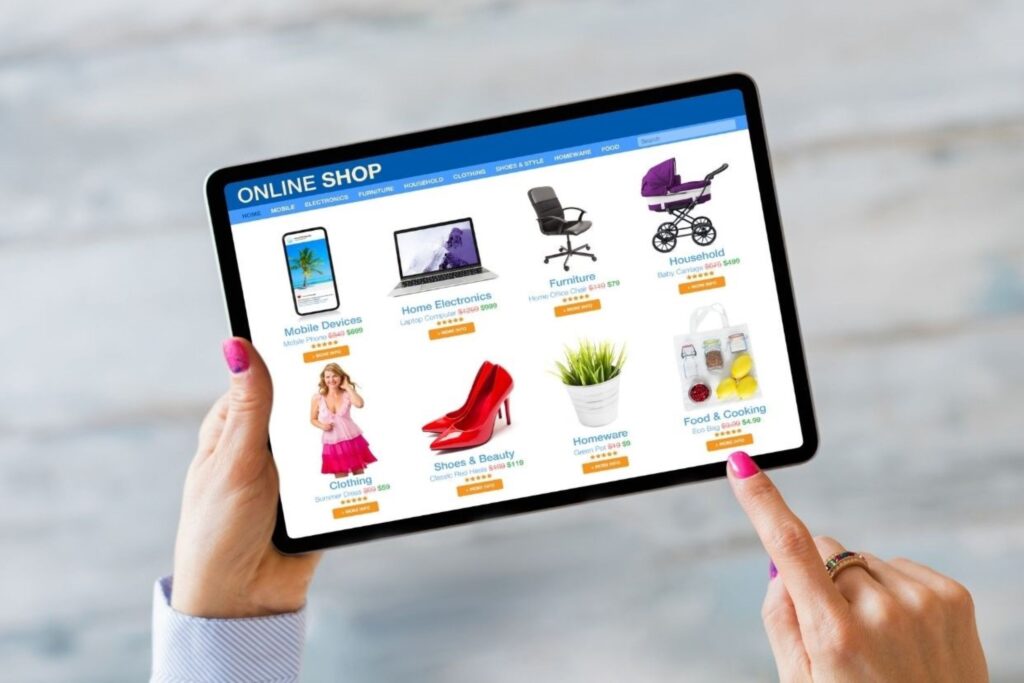
Social Commerce and Mobile-First E-Commerce Trends
Social platforms transform into primary shopping channels according to emerging e-commerce trends. First, TikTok, Instagram, and YouTube refine in-app checkout enabling instant purchases without leaving feeds. Additionally, e-commerce trends show 80.4 million TikTok users expected making platform purchases.
Moreover, mobile commerce e-commerce trends reveal 60%+ transactions occurring on devices by 2026. Furthermore, e-commerce trends project mobile commerce market reaching $2.74 trillion from $1.46 trillion in 2025. For example, e-commerce trends demonstrate 72% of internet users using social media for product discovery and research.
Meanwhile, authentic user-generated content drives conversions better than polished brand campaigns according to e-commerce trends. Consequently, social commerce e-commerce trends require businesses building creator communities and optimizing mobile experiences. Thus, retailers embracing social selling gain powerful competitive advantages.

Real Stories from European E-Commerce Trend Adoption
Marcus Weber, 42, E-Commerce Director, Fashion Retailer, Munich
“Our company struggled competing against marketplaces until adopting emerging e-commerce trends in 2024. We initially resisted AI personalization fearing cost and complexity. Then competitors’ conversion rates doubled ours through intelligent product recommendations forcing our hand.
We implemented AI-powered e-commerce trend solutions including predictive analytics, personalized pricing, and conversational search. Within six months, conversion rates increased 47% while cart abandonment decreased 23%. The AI correctly predicted demand preventing €180,000 in overstock losses traditionally plaguing our seasonal inventory.
Now e-commerce trends guide our 2026 strategy—launching TikTok Shop, optimizing mobile checkout, and preparing for Digital Product Passport requirements. Adopting e-commerce trends early created competitive moats our competitors cannot quickly replicate. Indeed, staying ahead of e-commerce trends proves more valuable than traditional marketing spending.”
Regulatory E-Commerce Trends Reshaping European Markets
European regulatory e-commerce trends create both challenges and opportunities for businesses. First, Digital Product Passports become mandatory November 2026 requiring complete supply chain transparency. Additionally, e-commerce trends include eIDAS 2.0 European Digital Identity Wallet standardizing authentication across markets.
Moreover, packaging regulations and GDPR compliance drive e-commerce trends toward first-party data collection. Furthermore, e-commerce trends show ending de minimis exemptions increasing costs for low-value international parcels. For example, e-commerce trends reveal businesses investing in SEPA Instant Payments with 99%+ transactions settling within seconds.
Meanwhile, payment e-commerce trends emphasize wallet-based and bank-based systems converging around frictionless experiences. Consequently, regulatory e-commerce trends require proactive compliance avoiding fines while building customer trust. Thus, businesses starting adaptation in 2025 gain advantages completing certifications quickly.

Getting Started Capitalizing on E-Commerce Trends
Implementing e-commerce trends strategically requires prioritizing high-impact changes over overwhelming transformations. First, audit current technology stack identifying gaps in AI capabilities, mobile optimization, and payment flexibility. Additionally, invest in e-commerce trends through product data management ensuring clean structured information.
Moreover, develop e-commerce trends roadmap prioritizing mobile experience improvements and AI-powered personalization. Furthermore, explore e-commerce trends including social commerce pilots on TikTok or Instagram testing platform performance. For instance, join Ecommerce Europe association accessing trend reports, networking, and regulatory guidance.
Meanwhile, attend e-commerce trends conferences and webinars staying informed about emerging technologies and consumer behaviors. Consequently, systematic e-commerce trends adoption creates sustainable competitive advantages. Thus, European businesses transform challenges into growth opportunities through intentional strategic planning.
Conclusion: European E-Commerce Trends Secure Digital Commerce Leadership
European e-commerce trends demonstrate how technology and regulation combine creating world-class digital commerce ecosystems. From AI personalization and social commerce to mobile payments and Digital Product Passports, innovations reshape consumer expectations. Moreover, €565 billion projected sales by 2029 prove sustained e-commerce trends growth.
AI-driven experiences, instant payments, regulatory compliance, and mobile-first strategies offer boundless opportunities. Additionally, business testimonials prove early e-commerce trends adoption delivers measurable competitive advantages. Therefore, business-minded Europeans should implement strategies immediately preparing for 2026 transformations.
Furthermore, Europe’s commitment to balanced innovation through consumer protection and business support ensures sustained e-commerce trends excellence. Indeed, the continent’s regulatory frameworks, digital infrastructure, and sophisticated consumers create ideal conditions. Research AI solutions today, optimize mobile experiences, and capitalize on European e-commerce trends driving future success.
Ready to lead e-commerce? Visit Ecommerce Europe for insights, explore Forrester research, and discover strategies maximizing European e-commerce trends!
Learn More About European E-Commerce Trends Resources
Ecommerce Europe – Official Association & Insights